Language
Mobility scooters have revolutionized the lives of individuals with mobility challenges, providing them with independence and the ability to navigate their surroundings with ease. While aluminum alloy is a popular choice for mobility scooter frames due to its lightweight and durable properties, there are several other materials used in the construction of these valuable devices. In this article, we will explore various materials used in mobility scooters and their respective advantages.
Titanium
Titanium is another lightweight and durable material commonly used in high-end mobility scooters. Known for its excellent corrosion resistance, titanium scooters are ideal for individuals who frequently use their devices in moist or salty environments. Additionally, titanium scooters offer the following benefits:
Strength: Titanium is stronger than aluminum, allowing for a more robust and durable scooter.
Comfort: The material absorbs vibrations better, resulting in a smoother ride.
Longevity: Titanium scooters tend to have a longer lifespan compared to those made from other materials.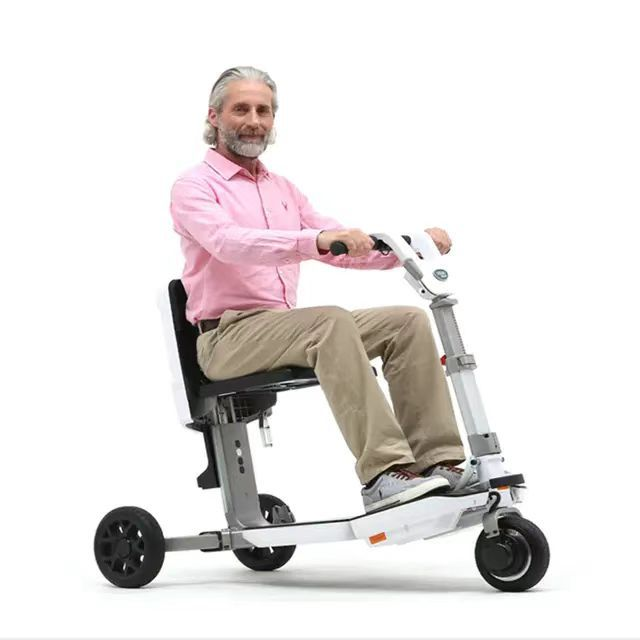
Steel
Steel has been a traditional material used in the construction of mobility scooters. While it is heavier than aluminum and titanium, steel scooters offer the following advantages:
Affordability: Steel is a more cost-effective material, making steel scooters more affordable for budget-conscious consumers.
Durability: Steel is known for its strength and can withstand heavy use and potential impacts.
Customization: Steel scooters can be easily customized to meet the specific needs of the user, including additional features and accessories.
Carbon Fiber
Carbon fiber is a relatively new material in the mobility scooter industry, but it is quickly gaining popularity due to its exceptional properties. Carbon fiber scooters offer the following benefits:
Lightweight: Carbon fiber is one of the lightest materials used in mobility scooters, making it easy to transport and maneuver.
Strength: Despite its lightweight nature, carbon fiber is incredibly strong, providing a safe and stable ride.
Stylish: Carbon fiber scooters have a sleek and modern appearance, appealing to users who value aesthetics.
Composite Materials
Composite materials, such as fiberglass-reinforced plastics (FRP), are also used in the construction of mobility scooters. These materials offer the following advantages:
Durability: Composite materials are resistant to cracking, chipping, and fading, ensuring a long-lasting scooter.
Lightweight: FRP scooters are lighter than steel but may be slightly heavier than aluminum or titanium models.
Customization: Composite materials can be molded into various shapes, allowing for innovative scooter designs and features.
The choice of material for a mobility scooter depends on the user's specific needs, budget, and preferences. While aluminum alloy remains a popular option, other materials like titanium, steel, carbon fiber, and composites offer unique benefits that cater to a wide range of users.
