Language
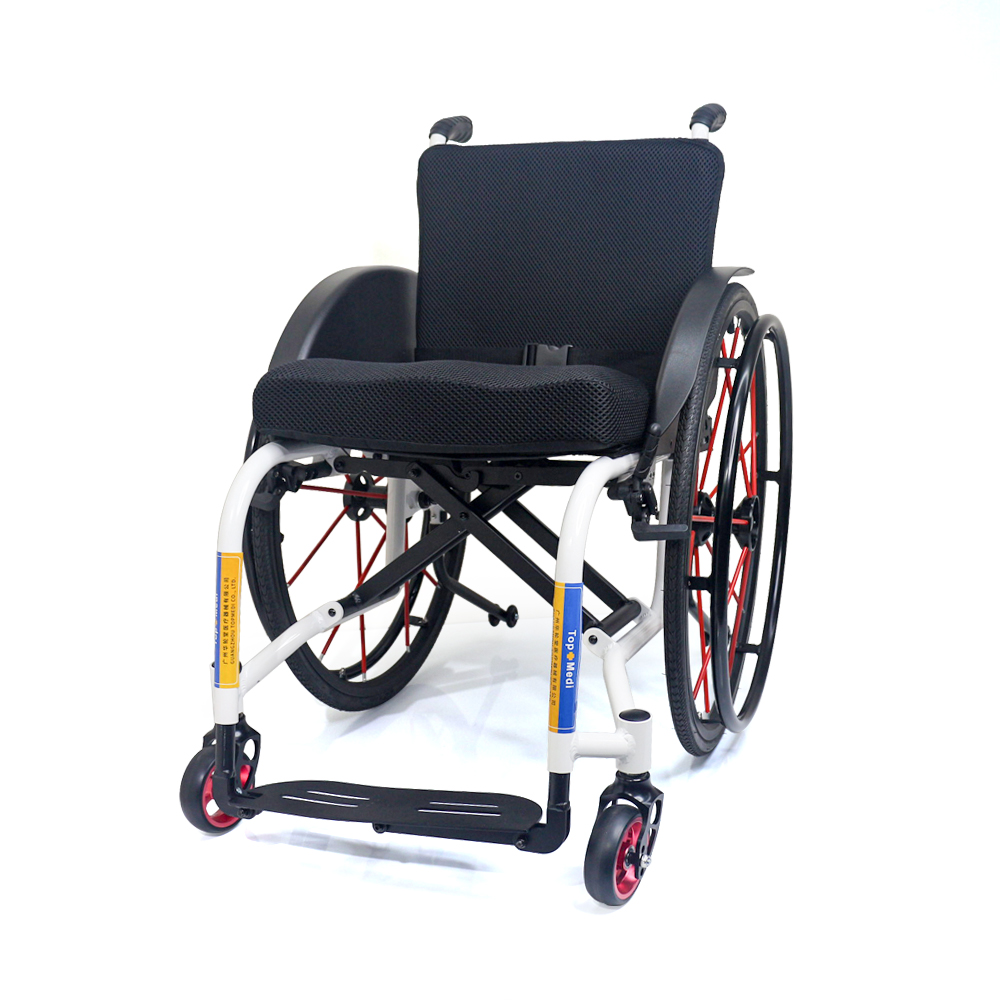
Manual wheelchairs and electric wheelchairs each have their own characteristics and applicable scenarios. Their advantages are mainly reflected in the following aspects:
1. Cost: Manual wheelchairs are usually cheaper than electric wheelchairs. For users or families with limited budgets, manual wheelchairs are a more economical choice.
2. Mobility: Manual wheelchairs require the user's own strength to push, which can help users maintain the mobility of their arms and upper body, which is an advantage for users who want to maintain a certain degree of physical vitality.
3. Portability: Manual wheelchairs are generally lighter, easy to fold and carry, especially portable manual wheelchairs, which are very suitable for users who need to carry them frequently.
4. Ease of operation: Manual wheelchairs are relatively simple to operate, and users can quickly learn how to use them, while electric wheelchairs may take some time to learn and adapt to their various functions.
5. Adaptability: Manual wheelchairs are suitable for various terrains, especially for those who want to move on complex or uneven ground. Users can adjust the thrust according to actual conditions and respond to various road conditions more flexibly.
6. Health promotion: Manual wheelchairs require users to push themselves when in use, which helps promote blood circulation and enhance cardiopulmonary function, and has a positive impact on the user's physical health.
7. Social interaction: Users of manual wheelchairs can make more eye contact and physical interaction with others while pushing, which helps social activities.
8. Environmental protection: Manual wheelchairs do not require electricity, so they are environmentally friendly, and there is no need to worry about battery exhaustion.
Each type of wheelchair has its specific usage occasions and user groups. Which wheelchair to choose should be determined according to the specific needs and living environment of the individual.