Language
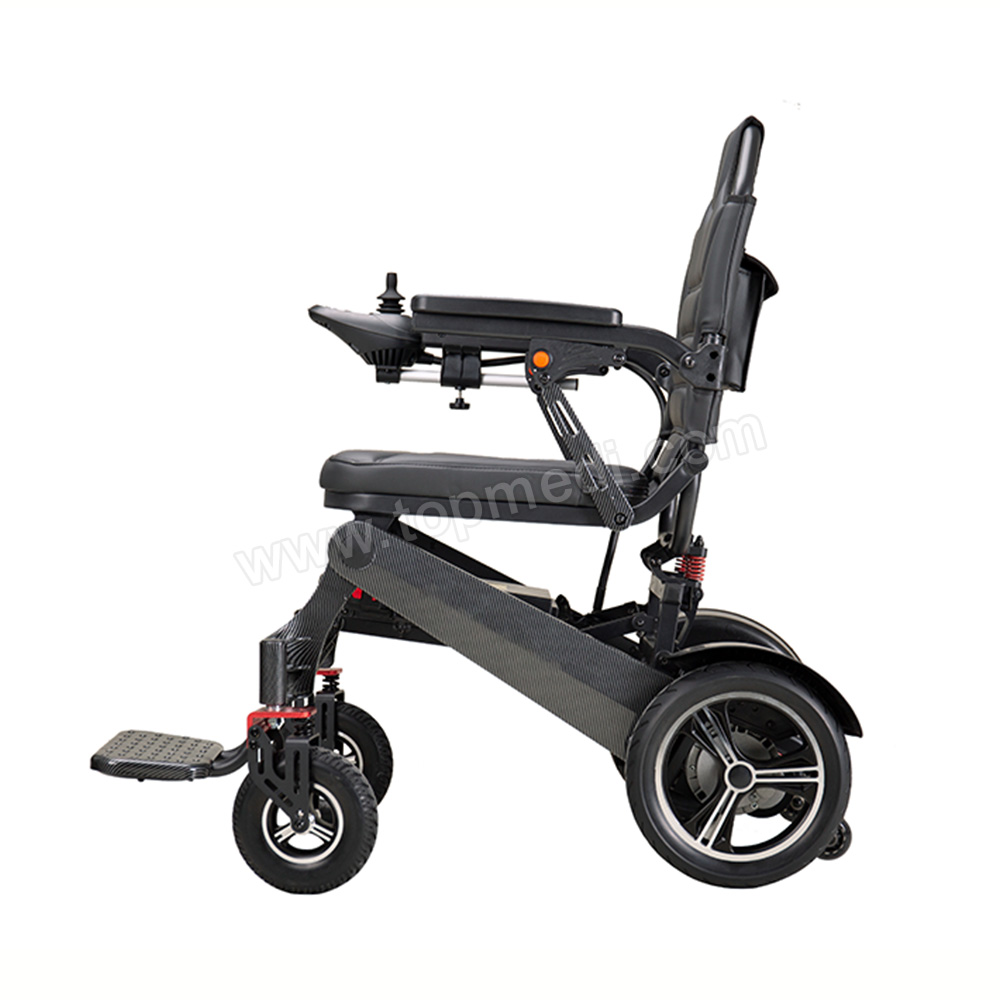
1. The European standard EN12184 stipulates the test items for CE certification of electric wheelchairs. For example, the braking system of the wheelchair needs to meet the following requirements:
The drive system can still operate when the battery has no power supply;
The wheelchair can still be operated when in flywheel mode;
If the parking brake is worn, provide adjustments and replacements specified by the manufacturer;
The braking mechanism cannot move from the preset position, the components and accessories of the component cannot deform, etc.
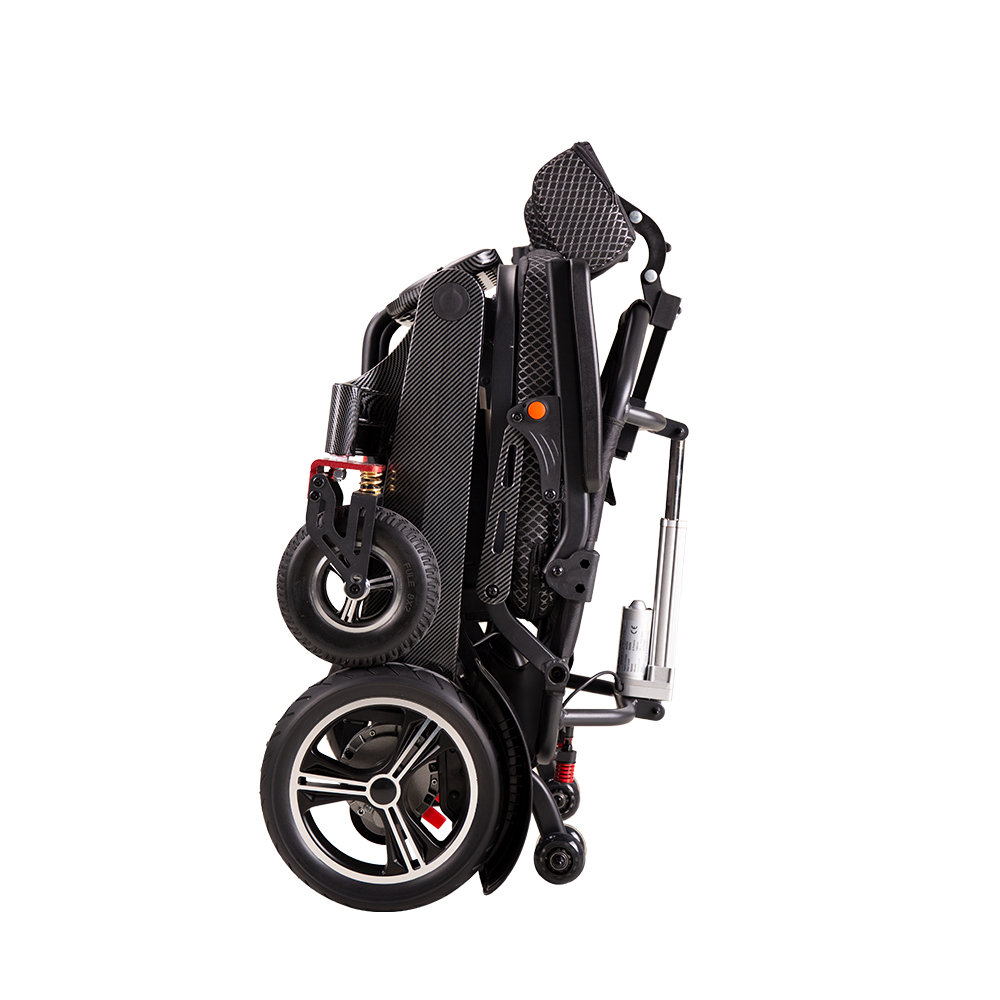
2. There are also requirements for the brake lever:
If the brake lever is equipped with an ordinary ball knob, the force must be applied through the center of the knob;
Then the force must be applied through the point where the cross section intersects with the center line of the brake lever;
If the brake lever is parallel or has any shape other than the above, then the force must be applied through a point on the center line of the brake lever 15mm from the top;
If the brake lever is controlled by the entire armrest, then the force must pass through the center line of the brake lever 15mm from the bottom;
If the brake is applied by pushing or pulling on a bar or pad, then the force is applied at the center of mass of the bar or pad.
There are many CE certification testing items for electric wheelchairs, including power system testing, bracket testing, flammability testing, etc.
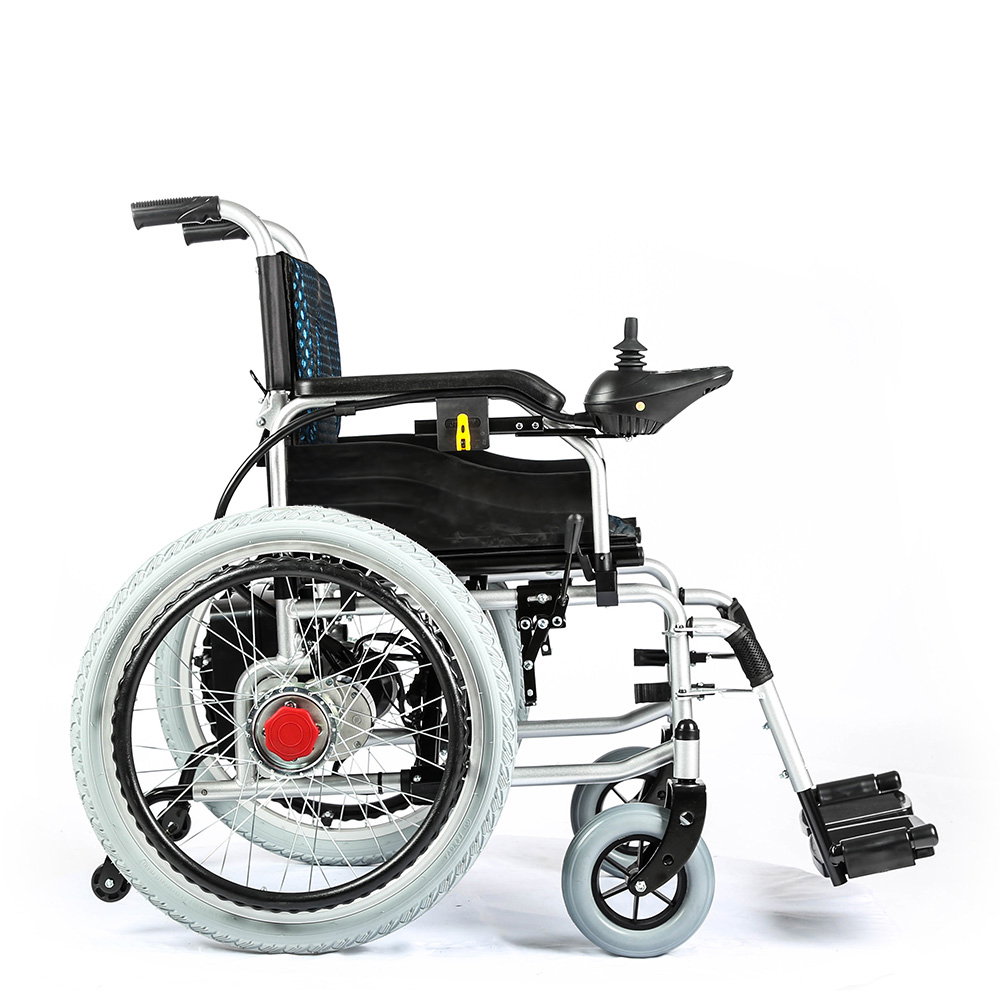
3. EN 12184 is the standard for CE certification of electric wheelchairs. This European standard stipulates the specific requirements and testing methods for electric wheelchairs that only carry one person and the maximum speed does not exceed 15km/h. In addition, the EU standards involving electric wheelchairs also include There are many. The EU has put forward various requirements for electric wheelchairs, some of which are as follows:
Static, impact and fatigue strength;
Braking System;
charging connector;
driving performance;
dynamic stability;
Other properties.
