INFO CENTER
Language
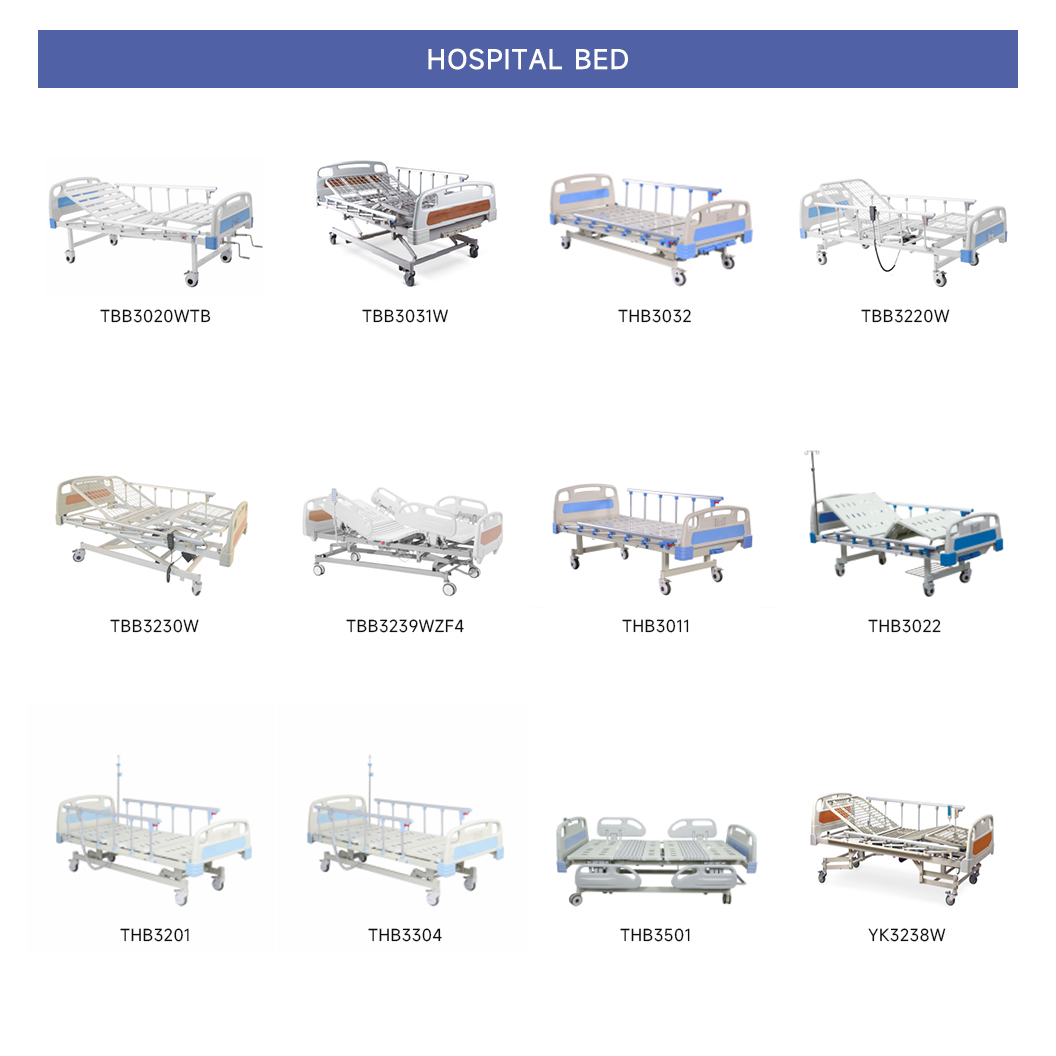
Electric hospital beds are ideal for:
Elderly individuals who require long-term bed rest
Patients recovering from surgery
People with limited mobility or disabilities
Chronic disease patients receiving home care
1. Back and leg adjustment
Raising the backrest helps patients sit up for eating, reading, or watching TV. Raising the leg rest promotes blood circulation in the lower limbs and helps prevent swelling and deep vein thrombosis.
2. Overall height adjustment
Raising the bed makes it easier for caregivers to attend to the patient, reducing back strain. Lowering the bed allows the patient to get in and out safely, reducing the risk of falls.
3. Trendelenburg position
Some advanced electric beds support full bed tilting for specific medical scenarios, such as improving cerebral blood flow or facilitating drainage.
Consider the following four aspects when making a selection:
Number and quality of motors: Choose a bed with at least two high-quality, quiet motors for smooth and durable operation.
Safety features: Check for side rails, emergency stop buttons, and locking casters.
Weight capacity: Standard capacity is typically 120–180 kg. Choose according to the patient‘s weight.
Additional functions: Consider whether you need backup batteries (for power outages), bedpan holders, IV pole attachments, etc.
| Feature | Electric Bed | Manual Bed |
|---|---|---|
| Operation | Remote control, one-touch | Hand cranks |
| Suitable for | Patients who can self-adjust or need frequent changes | Caregiver-operated |
| Caregiver burden | Low (patient can adjust independently) | High (requires assistance) |
| Price | Higher | Lower |
Electric hospital beds not only improve patients‘ quality of life but also significantly reduce the physical burden on caregivers. When purchasing, consider the patient’s actual needs, budget, and usage environment, and prioritize brands with quality certifications and reliable after-sales service.