Language
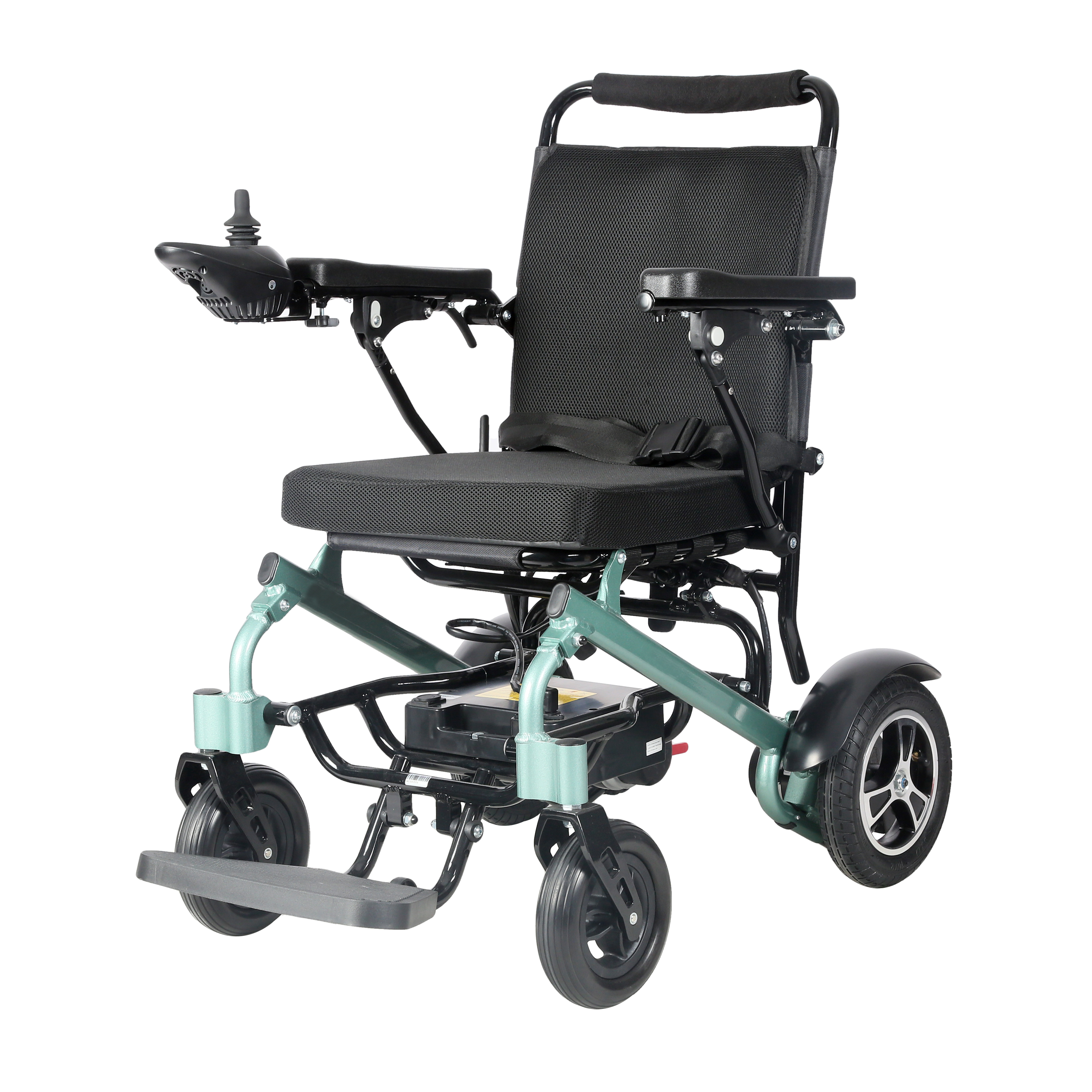
Steel, as the cornerstone of the industrial revolution, was the first material to be widely used in wheelchair manufacturing. It still holds a significant place in the market today due to its unparalleled strength and cost-effectiveness.
Pros:
Extreme Strength and Durability: Steel has extremely high rigidity, able to withstand significant impacts and heavy weight without easily deforming or breaking. For users with a larger body weight or those in harsh usage environments, steel wheelchairs offer the most reliable safety assurance.
Highest Cost-Effectiveness: Steel is the least expensive of the three materials, making steel wheelchairs the most affordable and providing a basic yet effective solution for families on a tight budget.
Simple Repairs: In most regions, welding and repair techniques for steel are very mature and widespread, resulting in relatively low maintenance costs.
Cons:
Weight is the Biggest Drawback: Steel has a very high density, causing steel wheelchairs to be exceptionally heavy (standard weight typically between 18-25 kg). This not only places a significant burden on the user or caregiver when pushing and carrying but also limits the wheelchair’s portability.
Prone to Rust and Corrosion: Unless treated with high-quality baking paint or electroplating, steel is highly susceptible to rust in humid environments, affecting its appearance and service life.
Authoritative Data Perspective: According to the World Health Organization’s (WHO) *Guidelines on the Provision of Manual Wheelchairs in Less Resourced Settings*, the accessibility of wheelchairs is a key factor. Although steel wheelchairs are widely adopted in resource-scarce regions due to their low cost, their weight issue does indeed limit the user’s personal mobility and social participation, especially in scenarios that require frequent lifting of the wheelchair.
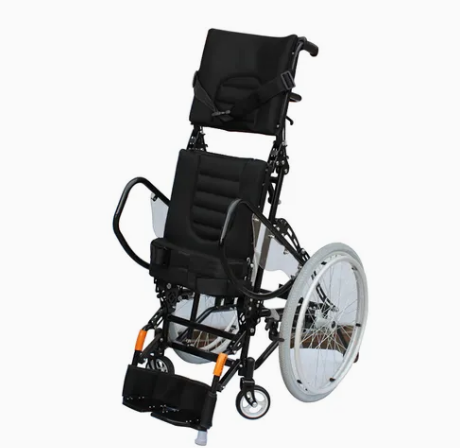
To address the weight issue of steel wheelchairs, aluminum alloy emerged and quickly became the mainstream choice in today’s market. It finds an excellent balance between strength, weight, and price.
Pros:
Significant Lightweighting: The density of aluminum alloy is about one-third that of steel, which significantly reduces the weight of aluminum wheelchairs (typically between 10-16 kg). This reduction in weight greatly enhances the wheelchair’s portability, making it much easier to propel oneself or place it in a car trunk.
Excellent Corrosion Resistance: Aluminum alloy naturally forms a dense oxide film on its surface, which effectively resists rust, making it more durable and easier to maintain than steel.
Outstanding Value: Although more expensive than steel wheelchairs, it is far more affordable than carbon fiber wheelchairs, making it a “lightweight” option that most users can afford.
Cons:
Slightly Less Strong than Steel: For the same volume, the absolute strength of aluminum alloy is not as high as steel. For users with a very large body weight, its load-bearing limit may not match that of a top-tier steel wheelchair.
Slightly Weaker Rigidity: Under extreme stress, the frame of an aluminum alloy may deform more noticeably than steel.
Topmedi’s Practice: In Topmedi’s product line, aluminum alloy wheelchairs are the absolute mainstay. For example, our lightweight and foldable wheelchair series precisely leverages the portable nature of aluminum alloy, allowing users to easily store and carry the wheelchair, truly achieving “travel freedom.”
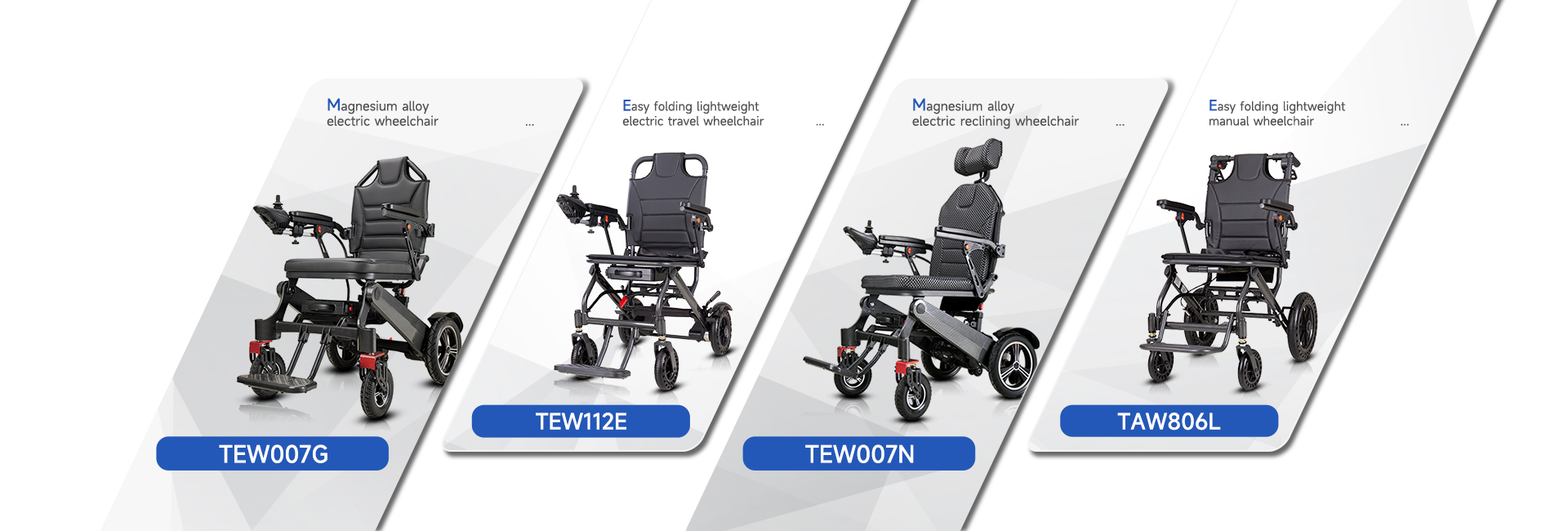
Carbon fiber, a cutting-edge material that shines in the aerospace and Formula 1 racing fields, is increasingly being used in high-end electric and manual wheelchairs. It represents the future direction of wheelchair materials.
Pros:
Ultimate Lightweighting: This is carbon fiber’s most proud characteristic. Its density is far lower than aluminum and steel, yet its strength is extremely high. The weight of a carbon fiber electric wheelchair can be controlled at 10 kg or even less, lighter than many aluminum alloy manual wheelchairs. For caregivers who need to frequently lift an electric wheelchair into a car, this is a revolutionary change.
Superior Strength and Shock Absorption: The “specific strength” (strength/density) of carbon fiber is the highest among all engineering materials. It is not only strong but also effectively absorbs vibrations from bumpy roads, providing users with an unprecedentedly comfortable riding experience.
Modern Aesthetics and Malleability: The unique woven texture of carbon fiber is full of technological beauty and modernity, and it can be molded into more streamlined, ergonomic designs.
Cons:
Extremely High Cost: Complex manufacturing processes and expensive raw materials make carbon fiber wheelchairs the most expensive of the three, often several times the price of an aluminum alloy wheelchair with similar functions.
Difficult and Costly Repairs: Once a carbon fiber frame sustains severe impact or damage, repairs are very difficult, often requiring return to the factory or direct replacement, which is extremely costly.
Authoritative Data Perspective: Multiple studies published by the National Library of Medicine (NLM), under the National Institutes of Health (NIH), point out that reducing the physical burden on caregivers is crucial for individuals with severe disabilities like spinal cord injuries. Using electric wheelchairs made from ultra-light materials like carbon fiber can significantly reduce the risk of musculoskeletal injuries to caregivers caused by lifting equipment. This, from another perspective, proves the health return on investment behind its high cost.
Through this ultimate showdown, we can see clearly:
If your budget is limited, your usage scenarios are relatively fixed, and you have high requirements for load-bearing capacity, the sturdy and durable steel wheelchair is your pragmatic choice.
If you pursue portability, wish to have greater freedom in daily travel and trips, and have a moderate budget, the highly cost-effective aluminum alloy wheelchair is a mainstream choice you can’t go wrong with.
If you have a sufficient budget, pursue the ultimate lightweight experience and top-tier comfort, and need to frequently transport an electric wheelchair, then the technologically advanced carbon fiber electric wheelchair will be your best investment to enhance your quality of life.
At Topmedi, we offer a comprehensive product line covering all three materials because we firmly believe that every user’s needs deserve serious attention. We hope this article can serve as a valuable reference on your decision-making journey, helping you or your loved one find the “perfect ride” that best fits your lifestyle, thereby exploring the world with more freedom and dignity