Language
The bedroom is an important place for daily activities of the elderly and also a high-risk area for accidents. Choosing the right hospital bed is the first step in bedroom safety modification.
Multifunctional electric hospital beds are an ideal choice for modern home-based elderly care and are widely used worldwide. High-quality electric hospital beds should have the following features:
Adjustable height and angles to facilitate easy access for the elderly and daily care
Equipped with guardrails to prevent falls when turning over
Mattress material should have appropriate firmness and elasticity to support the body while reducing pressure
Simple operation, easily controlled by the elderly or caregivers, adapting to usage habits of users from different countries
Additionally, bedroom layout should also consider:
Sufficient space on both sides of the hospital bed for caregiver operations
Nightstand at appropriate height with commonly used items within easy reach of the elderly
Installation of night lights to ensure safety during nighttime activities, a design recognized as an effective safety measure across various cultures
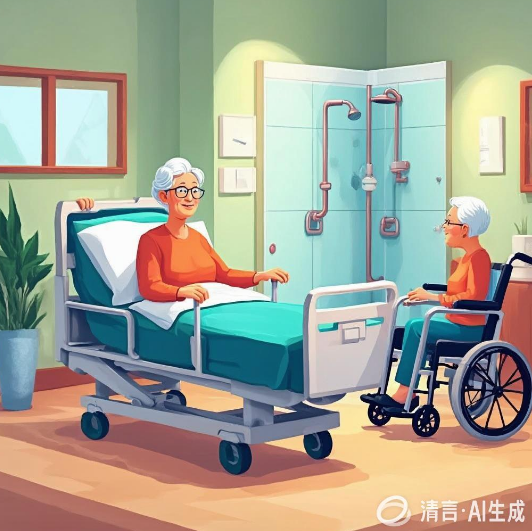
Bathrooms are one of the most dangerous areas in the home, with slips and falls being common accidents. Proper safety modifications can significantly reduce these risks, regardless of geographical location.
Shower chairs are essential equipment for elderly bathing, and when selecting, consider:
Height-adjustable design to accommodate users of different heights
Non-slip feet and seat surface to ensure stability during use
Lightweight yet sturdy material for easy movement and durability
Armrests and backrest design to provide additional support
Other bathroom safety measures include:
Installation of grab bars near the toilet and shower area
Use of non-slip mats on the floor
Installation of emergency call buttons, which have become standard safety features in many countries
Raised toilet seats to reduce the difficulty of sitting and standing
The living room and corridors are areas where the elderly move frequently, and their safety directly affects the quality of daily life.
Key modification points include:
Removal of threshold strips or installation of gentle slopes to eliminate tripping hazards
Installation of sturdy handrails along walls for support when walking
Furniture arrangement should ensure wide enough passages for wheelchair or walker access
Adequate lighting, especially at corners and stairs, with consideration for different cultural preferences in lighting design
For elderly with limited mobility, walkers and wheelchairs are essential mobility aids. When selecting these products, consider:
Lightweight folding design for easy storage and transport
Adjustable height to accommodate different users
Durable materials and stable structure to ensure safety
Ergonomic design to reduce user fatigue, meeting the needs of elderly from various regions
Dining is an important part of daily life for the elderly, and a safe dining environment helps maintain their independence and dignity.
Dining area safety modifications include:
Use of stable, non-tip chairs with armrests to assist sitting and standing
Table height should be appropriate to allow comfortable arm placement
Non-slip placemats to prevent tableware from sliding
Consider special dining aids such as non-slip plates, easy-grip utensils, and cup holders, which are beneficial for elderly with limited hand mobility
For elderly with severe mobility issues, lift chairs can help them rise smoothly from a sitting position. The operation should be simple and intuitive, adapting to users from different countries.
When conducting home safety modifications, it is recommended to follow these principles, which have universal applicability worldwide:
Personalized assessment: Develop personalized modification plans based on the elderly’s physical condition, living habits, and home environment, considering special needs under different cultural backgrounds
Gradual approach: Implement modifications in phases based on actual needs and budget, prioritizing the most pressing safety issues, a strategy applicable worldwide
Professional consultation: Consult professionals before purchasing and using rehabilitation aids, understanding relevant standards and regulations in different countries
Regular inspection: Regularly check the condition of various equipment, promptly repairing or replacing damaged parts to ensure safe use
Scientific modification of home-based elderly care environments can not only effectively prevent accidental injuries but also improve the quality of life for the elderly, allowing them to enjoy their later years in familiar surroundings. This concept has gained widespread recognition globally. Topmedi is committed to providing professional rehabilitation equipment and solutions, from hospital beds to shower chairs, from walkers to wheelchairs, offering comprehensive support for home-based elderly care needs worldwide.
If you have any questions about home safety modifications for elderly care, please feel free to consult our professional team. Let us work together to create a safer and more comfortable living environment for the global elderly population, collectively addressing the global challenge of population aging.
